
Assistive Technology Training
Assistive technology training for disabled students
Assistive technology training from UMO helps students use recommended software and digital tools confidently in their studies. The service is currently available to universities and colleges in London.
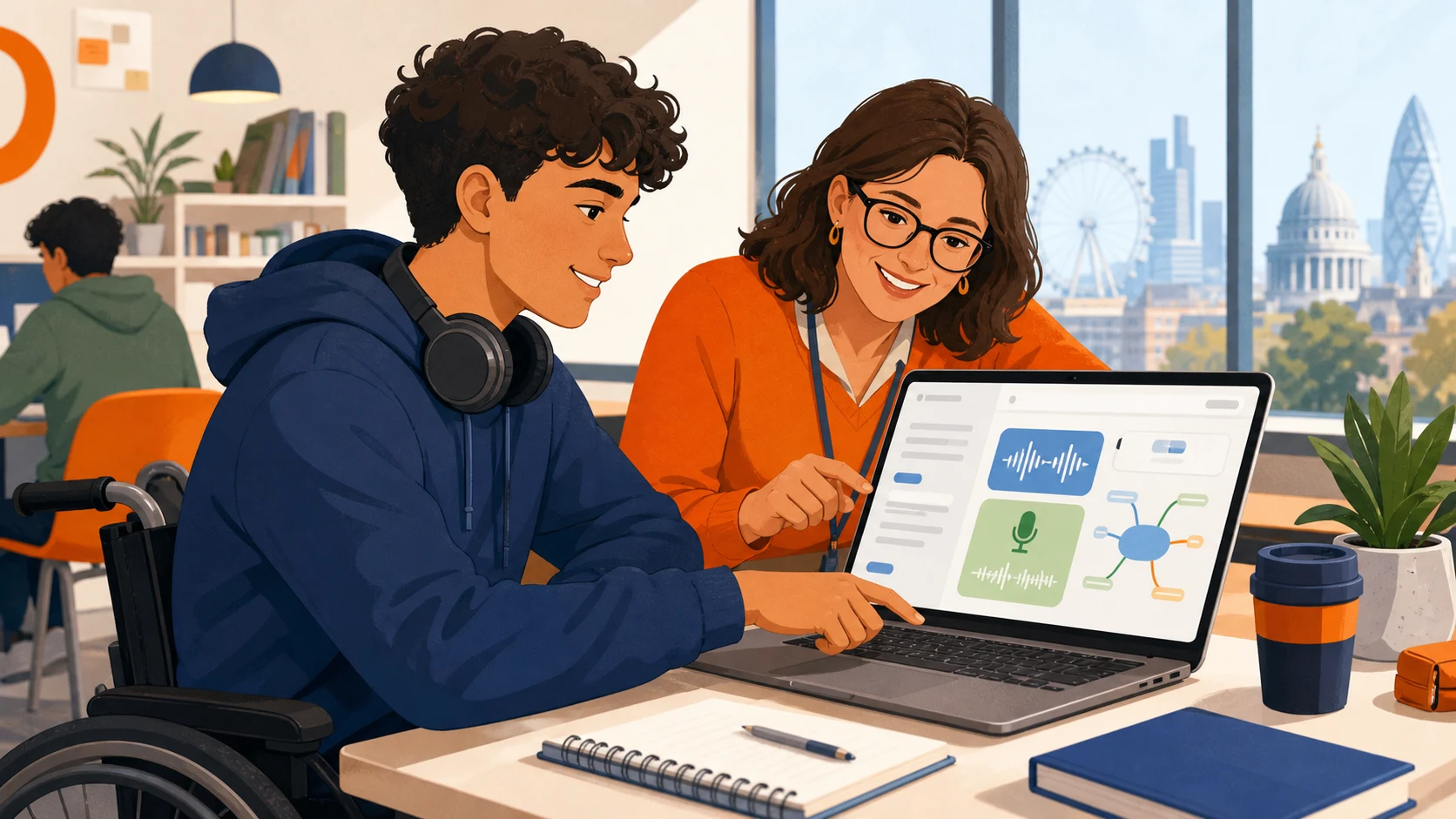
Learn by doing
For example, students practise the technology through real study activities rather than receive a generic software demonstration.
Training at the right pace
At the same time, the trainer adapts each session to the student's experience, access needs, priorities and preferred way of learning.
Support for London HEIs
Before training begins, UMO works with the student and referring team to confirm the approved tools, training hours, campus and practical arrangements.
Turn recommended technology into useful study routines
Assistive software can reduce barriers only when a student knows how to apply it. Therefore, the trainer connects each feature to the student's course demands, existing skills and study goals.
- Explains relevant features in clear, manageable steps
- Uses practical examples from reading, writing, planning and note review
- Builds repeatable workflows instead of covering every feature at once
- Reviews progress and adjusts the learning plan within the agreed hours
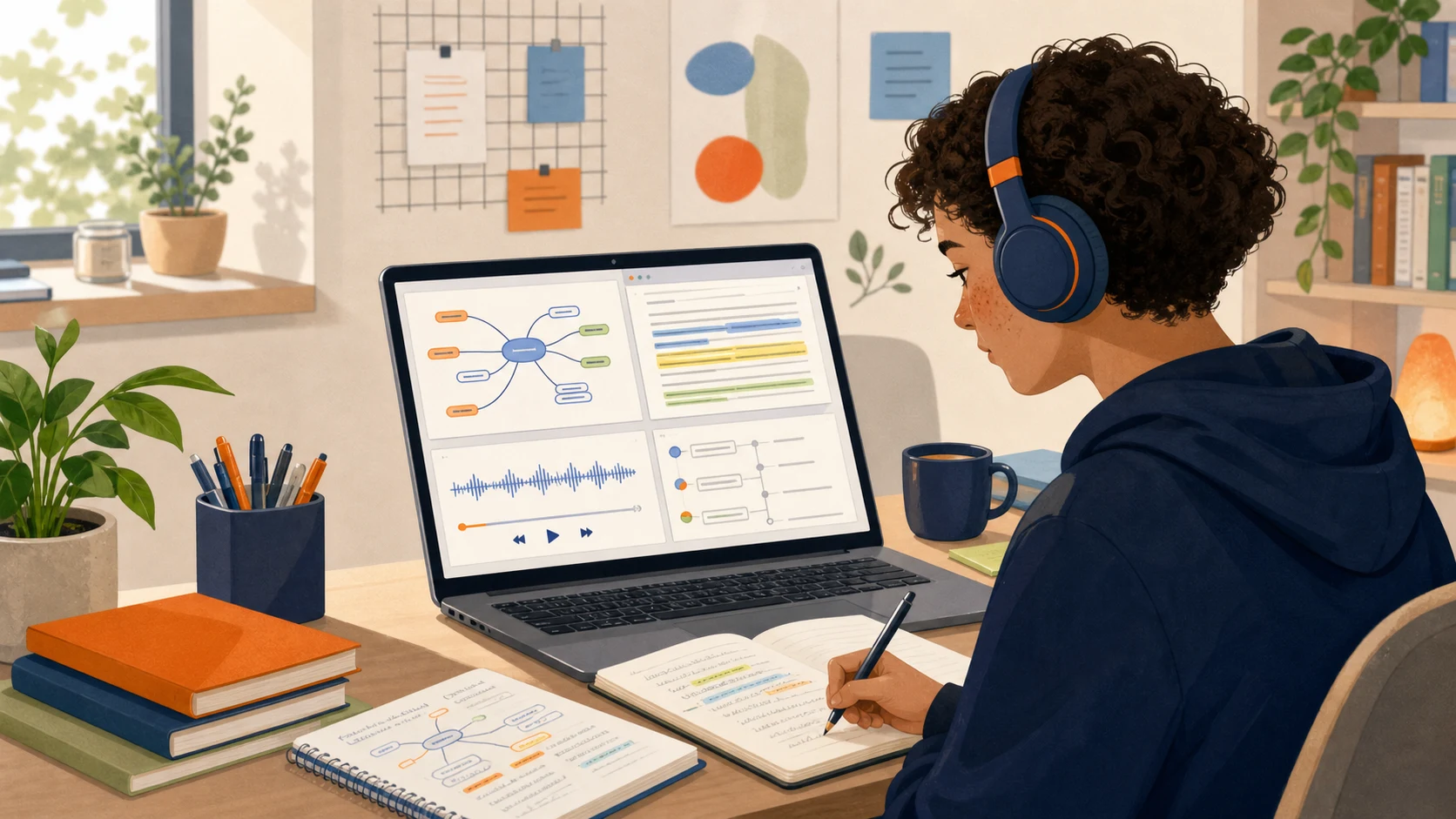
How assistive technology training works
A simple setup keeps the sessions relevant and makes good use of the approved training time.
Referral details
The student or HEI shares the approved software, number of hours and relevant access information.
Learning plan
First, the trainer explores the student's confidence, course activities and immediate priorities.
Practical sessions
Next, the student practises useful features and combines them into manageable study workflows.
Review
Finally, the trainer reviews progress, answers questions and identifies what the student should practise next.
Assistive technology training
One-to-one training for students at London universities and colleges, subject to referral details and trainer availability.
Training is personalised, but it is not technical support
UMO helps the student learn how to use agreed assistive technology for study. However, the service does not supply equipment, repair devices, administer university systems or guarantee that every product will suit every task.
The student should direct licensing, installation, faults and account-access questions to the relevant supplier or university team. Meanwhile, the trainer can help the student develop effective ways to use correctly installed tools.
What assistive technology training can cover
The exact sessions follow the student's approved tools and goals. For example, training may cover the following areas.
Listening to text, adjusting playback, highlighting information and building an accessible reading workflow.
Dictating ideas, correcting output, using voice commands and deciding when speech input is useful.
Organising ideas visually, planning assignments and converting a map into a workable structure.
Capturing, organising and revisiting information with approved recording, annotation or planning tools.
Using reminders, focus tools, templates, shortcuts and accessible features already available in common software.
Applying the recommended tools to lectures, studio work, research, placements or independent study where appropriate.
Funding and referral routes
The correct route depends on the student's funding and the organisation arranging support.
University-funded training
For instance, a London HEI may arrange assistive technology training through its own disability or student-support provision.
Approved support
Where a funding award names assistive technology training, the referral should confirm the approved tools, hours and supplier arrangements before sessions begin.
England and Wales DSA
Under the current mainstream DSA model, Study Tech or Capita normally arranges needs assessments, equipment and assistive technology training. Therefore, students should follow their entitlement letter and supplier instructions.
Trusted information about assistive technology
These current sources explain DSA support, digital accessibility and wider good practice.
Questions about assistive technology training
Answers for students, disability teams, needs assessors and other referrers.
Training and scope
Who may benefit from assistive technology training?
Training may help a disabled student who has recommended software or digital tools but needs structured guidance to use them effectively for study. The referral should identify the relevant technology and training need.
Does the trainer choose or prescribe software?
No. The trainer normally works with tools already recommended or agreed through the student's support process. They can discuss practical use, but they do not replace a needs assessment or make funding decisions.
Is this the same as study-skills tuition?
No. Assistive technology training focuses on learning and applying technology. Although sessions use real study examples, the trainer does not teach academic subject content, edit assessed work or provide specialist study-skills tuition.
Does UMO provide technical support?
No. The trainer can explain how to use correctly installed technology. However, the software supplier, equipment provider or university IT team should handle installation, licensing, repairs, faults and account access.
Delivery, price and funding
Where is the service available?
UMO currently provides assistive technology training for universities and colleges in London. Availability depends on the campus, timetable, approved tools and trainer capacity.
How much does training cost?
The rate is £50 plus VAT per hour, or £60 per hour including VAT. The referral or support agreement should confirm the number of training hours.
Can DSA fund UMO training?
DSA can fund assistive technology and related training, but the current route varies by funding body. For mainstream Student Finance England and Student Finance Wales support, Study Tech or Capita normally arranges this provision. Students should check their entitlement letter before choosing a supplier.
What information does UMO need?
UMO normally needs the approved software or tools, number of hours, London campus, timetable, relevant access requirements and a suitable contact route. We only request information needed to arrange and deliver the service.
Arrange assistive technology training in London
Tell UMO about the student, approved technology, number of hours, timetable and campus. We will then confirm availability and the next step.