felt motivated to secure employment due to the transition support
0%
said UMO’s passport supported them during the transition period
Graduates Say
“The sessions helped with the management of my everyday struggle with mental health, I truly appreciate the professional support from my mentor.”
“Having someone to talk to and reassure me reduced my worrying, and helped me to face my fears about applying – it gave me a good push to keep going even when I was losing confidence or motivation.”
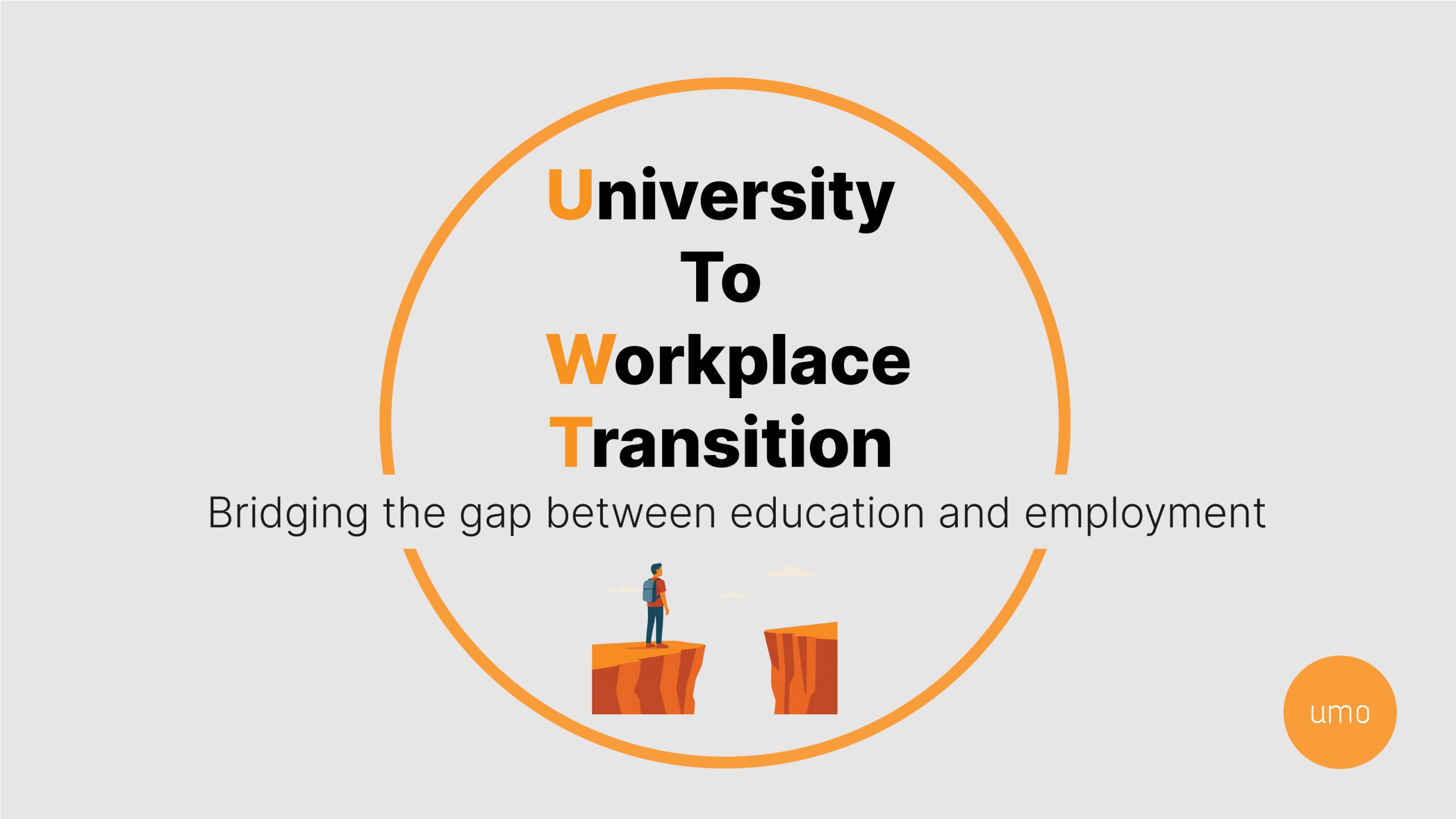
What is the UWT?
UMO’s UWT Project is changing the way that individuals are supported throughout their education and employment.
The UWT programme consists of a series of mentoring sessions with support from our OneSpace Passport to support graduates in the transition to the workplace.
A report will be release later this academic year.
UMO’s White Paper highlights the positive impact mentoring for mental health, wellbeing, and professional success.
Focussed sessions
Supports students by providing 2 UWT mentoring sessions in the last month of the degree/PHD and up to 5 UWT sessions between university ending and employment beginning
Proactive
Provides a space to talk through thoughts surrounding the future, uncertainty and worry, ending university, reflection and moving forward
Supportive
The specialist mentor supports the student with confidence and encourages the student to apply for roles where they will thrive
Collaborative
The specialist mentor and student will complete, implement and review the Mental Health, Neurodiversity, Disability and Wellbeing Passport
The mentoring process combined with our passport, helps the graduate build agency. It improves their chances of getting better work by building confidence in the workplace, so they can both enjoy their work and feel more fulfilled in life
There is currently no provision in place to support graduates as they move into the workplace.
How does the UWT help Universities?
The UWT can improve the employability of your institution’s graduates, even when the student has significant mental health or disability challenges. We can build the workplace success of your graduates.
With this extra support in the transition, we can ensure graduates achieve their goals in the workplace and beyond.
How does the UWT help Employers?
The UWT supports the smooth transition from higher education and into the workforce, creating more engaged workers, with greater confidence and faster skill development. Improving staff retention and loyalty for a happier and more productive team.
During the UWT project, we developed our unique Mental Health, Neurodiversity, Disability and Wellbeing Passport, OneSpace.
Powered by AI, the OneSpace passport give students ownership of their own support strategies, improves safeguarding and provides a central location to store crucial documents.
The UWT sessions bridge the gap between university ending and the workplace beginning, to continue with the foundation of support built during university mentoring.
Transition mentoring aims to help the student with containment and processing of emotions during the time of uncertainty, to support with confidence and provide encouragement, to be a trusting and reliable support for the student during the time of transition, and to implement the Mental Health and Wellbeing Passport (MHWP).
If your company or institution wants to be part of the UWT, click below to enquire.

















 UMO
UMO