
Workplace Assessments
Practical neurodiversity workplace assessments for clearer support at work
UMO provides virtual Neurodiversity Workplace Needs Assessments for employees and organisations, with practical recommendations for autism, ADHD, dyslexia and related workplace barriers.
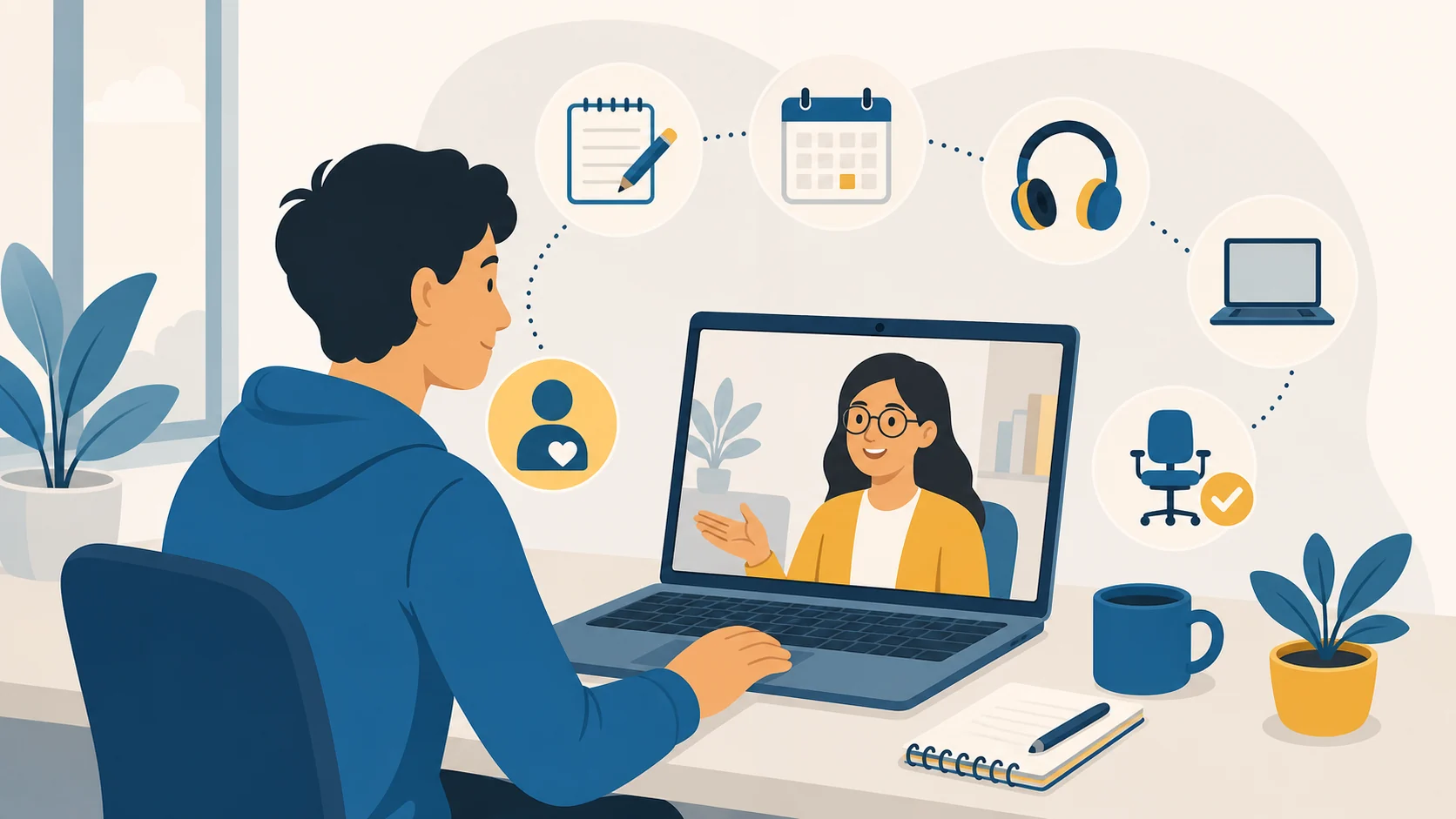
For employees
A neurodiversity workplace assessment can help you understand what support could make work more comfortable. As a result, you can communicate your needs and reduce avoidable barriers in your role.
For employers
These workplace needs assessments provide clear, proportionate recommendations. Therefore, employers can plan reasonable adjustments, support retention and build more inclusive working practices.
For Access to Work
Use the assessment to clarify job-related barriers, practical support options and recommendations that may help with Access to Work discussions.
A focused assessment of workplace barriers and support needs
A Workplace Needs Assessment looks at the employee's role, working environment, communication demands, systems, sensory factors and day-to-day tasks. Then, the assessor identifies practical adjustments and support strategies that fit the person and the job.
- Autism, ADHD, dyslexia and wider neurodiversity considerations
- Workload, organisation, communication and executive function demands
- Assistive technology, coaching, environmental changes and workflow adjustments
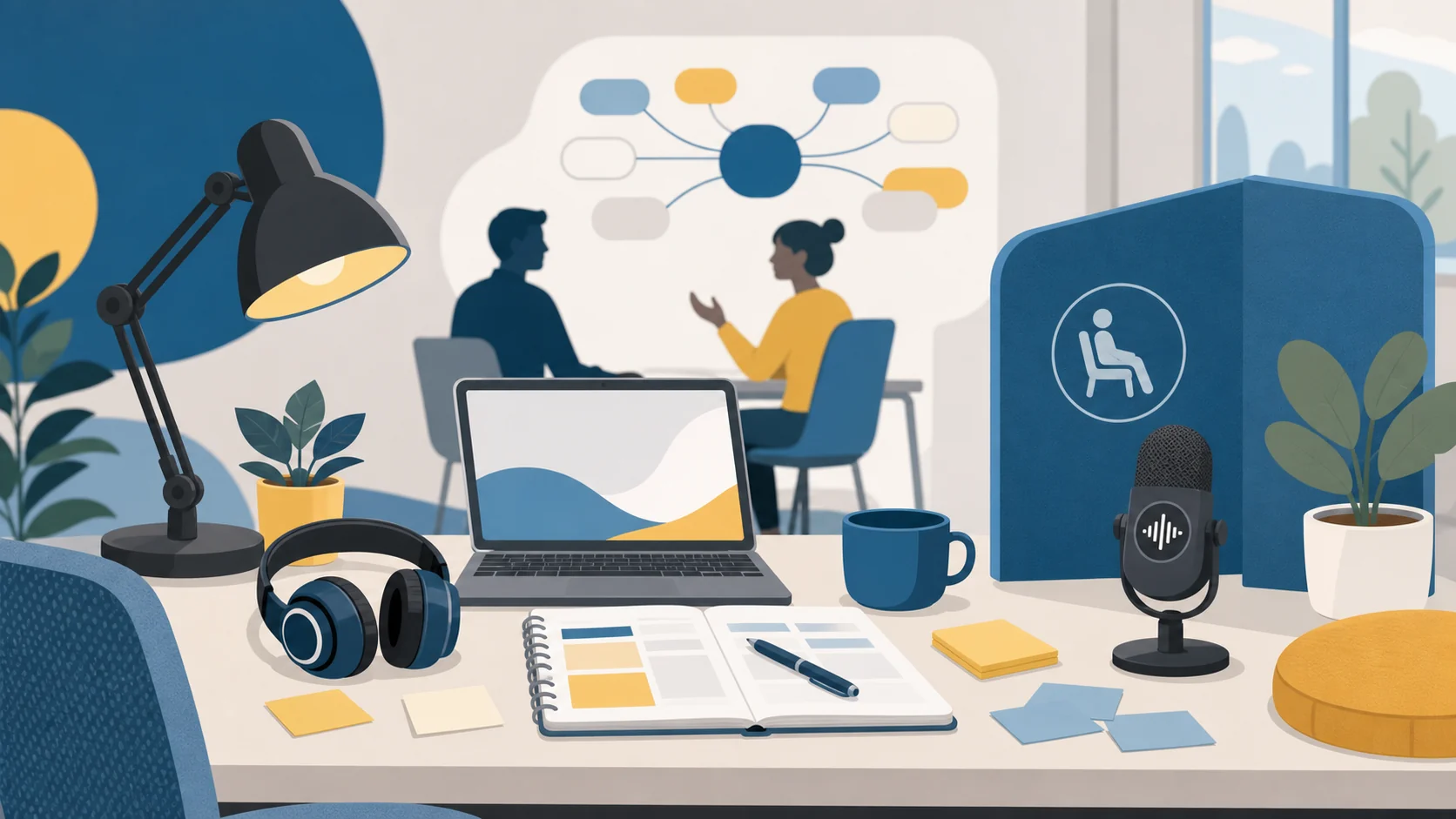
How the assessment works
The workplace needs assessment process stays straightforward for employees, managers and HR teams. First, we clarify the referral route; then, we focus on the employee's role and support needs.
Initial enquiry
Tell us who needs the workplace needs assessment, who will fund it, whether Access to Work is involved, and any timing or confidentiality considerations.
Virtual assessment
During the virtual workplace assessment, the employee meets with a qualified neurodiversity assessor by secure video call to discuss strengths, barriers, job tasks, tools, environment and support already in place.
Workplace recommendations
We identify practical options such as assistive technology, coaching, communication adjustments, sensory or environmental changes and role-specific strategies.
Written report
Finally, UMO provides a written report with clear recommendations. The employee can then share it with their employer or Access to Work as appropriate.
Virtual Workplace Needs Assessment
This option suits organisations or individuals seeking specialist neurodiversity workplace assessment and written recommendations.
Clear, proportionate and report-led
Access to Work guidance expects assessments to explore disability-related workplace barriers, make job-related recommendations and produce a written report. Therefore, UMO builds each report around practical, evidence-informed recommendations that are clear enough to act on.

The assessor links recommendations to the employee's actual tasks, work setting and role demands.
The neurodiversity workplace assessment considers strengths, barriers, current support, environment, systems and communication needs.
For example, suggestions may include coaching, assistive technology, workflow changes, environmental adjustments or awareness support.
Experienced neurodiversity practitioners deliver assessments using relevant skills, experience and qualifications.
Useful guidance
In addition, these external resources may help employees, managers and HR teams understand Access to Work, workplace needs assessments, reasonable adjustments and neuroinclusive practice.
What workplace assessment recommendations can include
Every workplace needs assessment report is individual, but common recommendations may cover:
Assistive technology
For example, the report may recommend tools for reading, writing, planning, reminders, note-taking, speech-to-text, text-to-speech or task management.
Coaching and strategies
Support for organisation, prioritisation, communication, workload, confidence, transitions and managing energy at work. Where appropriate, this may connect with UMO's workplace mental health mentoring.
Workplace adjustments
Similarly, recommendations may cover communication, meetings, instructions, workspace, sensory load, flexible working patterns or line-manager support. UMO also provides workplace autism and neurodiversity support.
Questions people ask
Useful information for employees, HR teams and managers considering a neurodiversity workplace assessment.
Do I need a formal diagnosis?
A diagnosis can be helpful. However, a workplace needs assessment focuses on practical barriers at work. If there is no formal diagnosis, we can discuss what information is available and what assessment route is most appropriate.
Can this support an Access to Work application?
Yes. A workplace needs assessment can help clarify the barriers, recommendations and support options that may be relevant to Access to Work. Access to Work decisions and funding remain the responsibility of the government scheme.
Is the assessment only for ADHD?
No. This page covers broader Neurodiversity Workplace Needs Assessments, including autism, ADHD and dyslexia. Later, UMO will create a dedicated ADHD assessment page separately.
Who receives the report?
We agree report sharing before the assessment. Usually, the employee receives the report first and can then share it with an employer, HR team, manager or Access to Work contact where appropriate.
Ready to plan a workplace needs assessment?
Contact UMO to discuss workplace needs assessment availability, referral routes and the information needed before booking a virtual assessment.